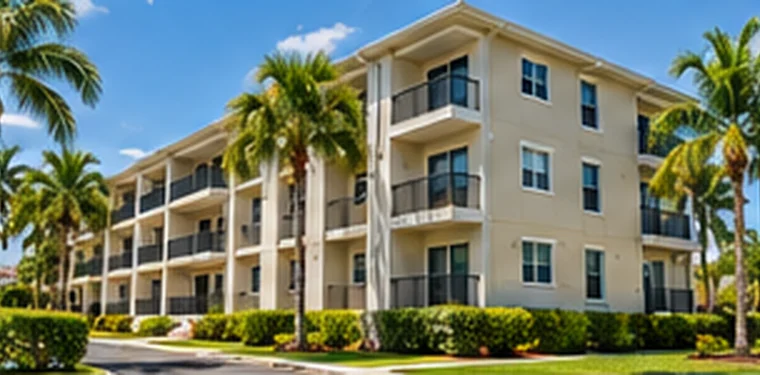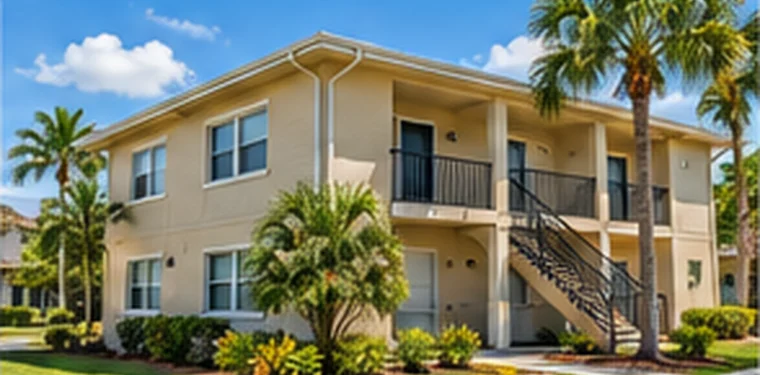
More units, more moving parts
A triplex or fourplex can be the sweet spot of small multifamily ownership. It can also be the point where management stops being a side job. Three or four units means three or four sets of tenants, leases, repairs, and turnovers, often all at once.
Owners usually reach out when a few of these stack up:
- Rents that have fallen well below market
- One renovated unit and two or three that were never touched
- Shared systems that are wearing out: roof, plumbing stacks, electrical service
- Insurance renewals getting more expensive every year
- A turnover that left a unit vacant for months
Why these buildings are tricky to list
Properties with up to four units can be financed with residential mortgages. That widens the buyer pool, but it also means appraisers and underwriters look closely at condition, rent documentation, and permits. One problem unit can hold up the whole deal.
Every showing also means entering several homes. Coordinating access with three or four households, keeping units presentable, and answering tenant questions adds weeks to a normal listing.
How we look at a triplex or fourplex
We evaluate the building as a whole and each unit on its own terms.
- Rent roll. What each unit pays today, not what it could pay.
- Condition by unit. A renovated unit and a worn-out unit are priced differently, and that is fine.
- Building systems. Roof, electrical service, plumbing, water heaters, and AC.
- Paperwork. Open permits, code cases, liens, and the status of any leases.
If you do not have a clean rent roll, a list of units with approximate rents is enough to start.
Below-market rents are not a problem
Many long-time owners kept rents low to keep good tenants. That is a reasonable choice, but it can make the property look weak to a retail buyer who relies on current income to qualify for a loan. We price the building as it is today and take on the work of bringing it up to date.
Your timeline, your terms
- Close on a date you choose
- Leave furniture, appliances, or old materials behind
- Keep tenants in place through closing
- No inspection-driven renegotiation from a buyer's lender
Separate meters, shared problems
Older triplexes and fourplexes often share a single water meter, a common laundry area, or one electrical service split between units. Shared systems make repairs more expensive and tenant disputes more common. We buy the building with those systems as they are and handle any metering or upgrade work after closing.
How our offer is put together
Every building is different, but the main inputs are the same:
- Location. What similar buildings nearby are worth.
- Income today. Current rents, vacancies, and collection history.
- Work needed. The cost to repair and update, unit by unit.
- Title and code. Liens, open permits, or violations that must be resolved.
We explain how we arrived at our number. If a listing would likely net you more, we will say so.
Money owed on the building
Mortgages, unpaid taxes, and recorded liens are paid from the proceeds at closing through the title company. You do not need to pay them off first. If you are behind on payments, reach out early so there is time to close before things get worse.
Owner-occupied buildings
If you live in one of the units, we can plan a closing date that gives you time to move, or discuss a short stay after closing. Tell us what you need.