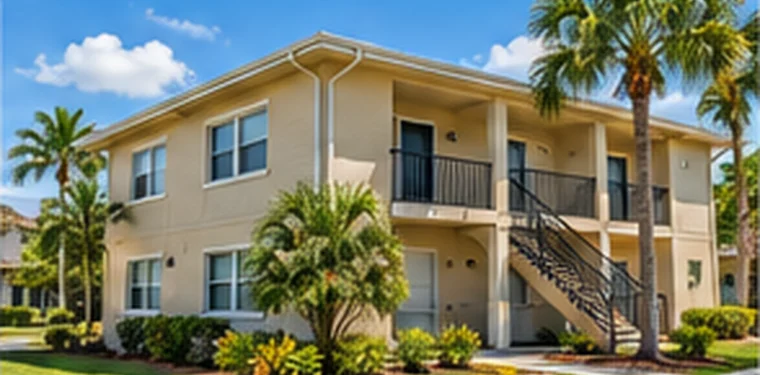
Inheriting a building means inheriting its problems
A multifamily property can be a generous gift and an overwhelming one. Along with the deed come the tenants, the leases, the repairs, the insurance, and the property taxes. Often it comes while you are grieving, and sometimes while you live in another state.
Situations we help with
- Heirs who live out of state and cannot manage a rental
- Siblings or relatives who disagree about keeping the property
- A building full of a loved one's belongings
- Tenants with unknown lease terms or overdue rent
- Deferred maintenance the owner could no longer handle
- Taxes, insurance, and utility bills piling up during probate
Florida probate in plain terms
When someone dies owning Florida real estate in their name alone, probate is usually how that property passes to heirs. Florida has two main types of probate administration:
- Summary administration, a shorter process available for smaller estates or when enough time has passed since death
- Formal administration, where the court appoints a personal representative to manage the estate
Depending on the will and the type of administration, the personal representative may need court approval to sell real estate. A Florida probate attorney can tell you which applies to your situation. We are not attorneys and do not give legal advice.
How we work with estates
- We talk with the personal representative, heirs, or estate attorney, whoever is handling the sale
- We can provide a written offer for the estate file or for court review
- We set a closing date that fits the probate timeline
- Contents, furniture, and personal items can be left behind
- Tenants stay in place; leases and deposits transfer at closing
If the heirs do not agree
Disagreements are common, especially when one heir wants to keep the property and another wants to sell. A clear, written as-is offer gives everyone the same number to discuss. You decide as a family, or through your attorney, whether it makes sense.
Carrying costs add up
While an estate is open, someone has to pay property taxes, insurance, utilities, and repairs. Vacant units earn nothing, and occupied units still need management. Selling as-is can stop those costs sooner.
Homestead can change the rules
Florida has special homestead rules that can affect who inherits a home and how it can be sold. If the person who passed away lived in one of the units, part of the property may be treated as homestead. This is an area where a Florida probate attorney's guidance matters. We will follow their direction on how the sale should be structured.
What to gather
You do not need everything to start, but these help the process move:
- Death certificate
- Letters of administration, if a personal representative has been appointed
- A copy of the will, if there is one
- The deed and recent property tax bills
- Leases, rent records, and tenant contact information
- Insurance policy information
Keep the property protected
While the estate is open, make sure the property stays insured and secured. Many insurance policies limit coverage for vacant buildings, so tell the insurer if units are empty. Check on the property regularly or ask a neighbor to keep an eye on it.
When the property has tenants
Inherited rentals often come with tenants the heirs have never met, leases no one can find, and rent that may have stopped being collected. The estate generally steps into the landlord's role until the property is sold. We buy with those tenants in place, so the estate does not need to handle move-outs, turnovers, or evictions before closing.